Bees vs. Wasps: Understanding the Difference for Proper Pest Control
People searching for bee and wasp pest control aim to safely remove or eliminate stinging insects, and local service providers can effectively handle these pest issues.
Understanding the differences between bees and wasps is essential for property owners who want to address pest concerns effectively and safely. While both insects can pose challenges around homes and outdoor spaces, knowing which is which helps determine the appropriate approach to removal or control. Whether dealing with a buzzing hive or an aggressive stinging insect, property owners in the area can benefit from the expertise of local contractors who specialize in bee and wasp pest control, ensuring the job is handled correctly and with minimal disruption.
Exploring this topic further can provide practical insights into identifying these insects and understanding their behaviors. Proper identification not only helps in managing existing nests but also in preventing future issues. Local service providers are equipped to offer tailored solutions based on the specific type of insect involved, helping property owners maintain safe and comfortable outdoor environments. Keep reading to learn more about how distinguishing bees from wasps can lead to more effective pest control strategies.
- Bee pest control - needed when bees establish nests near homes or in structures, with local contractors safely removing or relocating hives.
- Wasp pest control - required when wasps build aggressive nests in eaves, yards, or underground, with service providers employing targeted removal methods.
- Bee and wasp identification - important for distinguishing between species to determine the appropriate pest control approach, with local experts providing accurate assessments.
- Nest removal services - necessary when nests pose safety concerns or cause property damage, with professionals carefully eliminating or relocating the colonies.
- Preventative pest control - recommended to reduce future infestations by sealing entry points and monitoring activity, with local contractors offering tailored solutions.
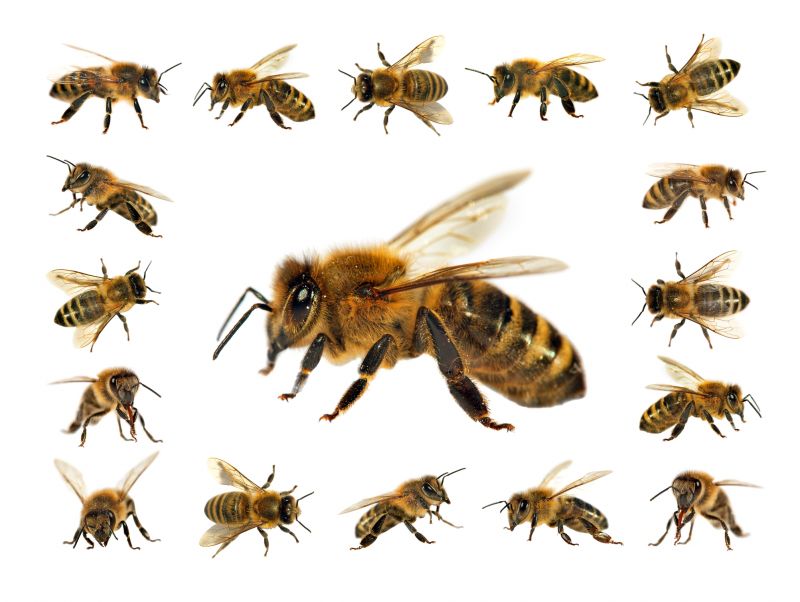
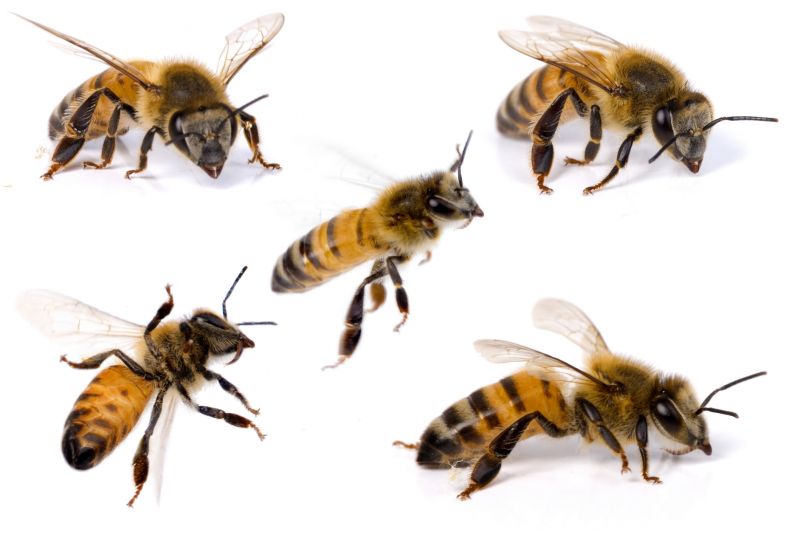
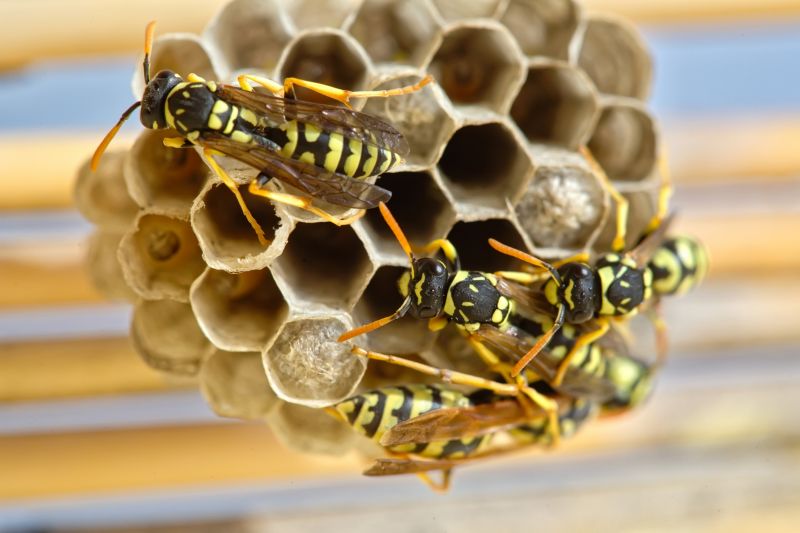
When people search for bees vs. wasps: understanding the difference for proper pest control, they often want to identify which insect they are dealing with to determine the best way to handle an infestation or nuisance. Bees and wasps can look similar at a glance, but their behaviors, nesting habits, and potential risks differ significantly. Homeowners might notice stinging insects around their property and seek guidance on how to safely remove or manage them. Recognizing the distinctions between these insects helps in choosing the appropriate pest control approach and prevents unnecessary harm to beneficial pollinators like bees.
This topic is closely related to common problems such as unwanted stings, property damage, or the presence of nests in or near homes. Many property owners plan to remove or relocate nests that pose a threat, especially when they are located in accessible areas like eaves, sheds, or trees. Understanding whether the insects are bees or wasps influences the strategy-bees often require gentle removal to protect their colonies, while wasps may need more immediate intervention due to their aggressive behavior. Proper identification also helps in avoiding the use of ineffective or harmful methods that could harm non-target insects or cause property damage.
Properties that frequently come up in discussions about bees vs. wasps: understanding the difference tend to include residential homes, especially those with yards, gardens, or trees. Commercial properties such as restaurants, outdoor event spaces, or parks may also encounter these pests, particularly in the warmer months. Structures with eaves, soffits, or wall voids can become nesting sites for wasps, while bees often establish hives in hollow trees or wall cavities. Knowing the type of pest present allows local service providers to recommend the right removal or control methods, ensuring the safety of residents, visitors, and the environment.
Understanding the differences between bees and wasps is essential for property owners who want to manage pest issues effectively. Local pros specializing in bee and wasp pest control can assess the situation, identify the insect type, and suggest appropriate solutions. Whether it involves humane removal of a bee hive or targeted wasp nest elimination, these professionals have the experience to handle the job safely and efficiently. Proper identification ensures that pest control efforts are effective, reducing the risk of stings, property damage, and unnecessary harm to beneficial insects, ultimately helping homeowners maintain a safe and comfortable outdoor space.
Wildlife removal services - professionals skilled in safely removing bee swarms and wasp nests, ensuring proper identification and handling of different insect species.
Pest inspection services - experts who evaluate property for signs of bee and wasp activity, helping homeowners understand the differences and plan effective removal strategies.
Nest removal services - contractors experienced in safely eliminating nests of bees and wasps, which require different approaches based on their species and behavior.
Insect habitat control - specialists who identify and manage areas attracting bees and wasps, reducing future infestations through targeted planning and treatment.
Exclusion services - providers who seal entry points to prevent bees and wasps from building nests around structures, with techniques tailored to different insect types.
Property maintenance services - experts who manage landscaping and structural repairs that minimize suitable nesting sites for bees and wasps, supporting long-term pest prevention.
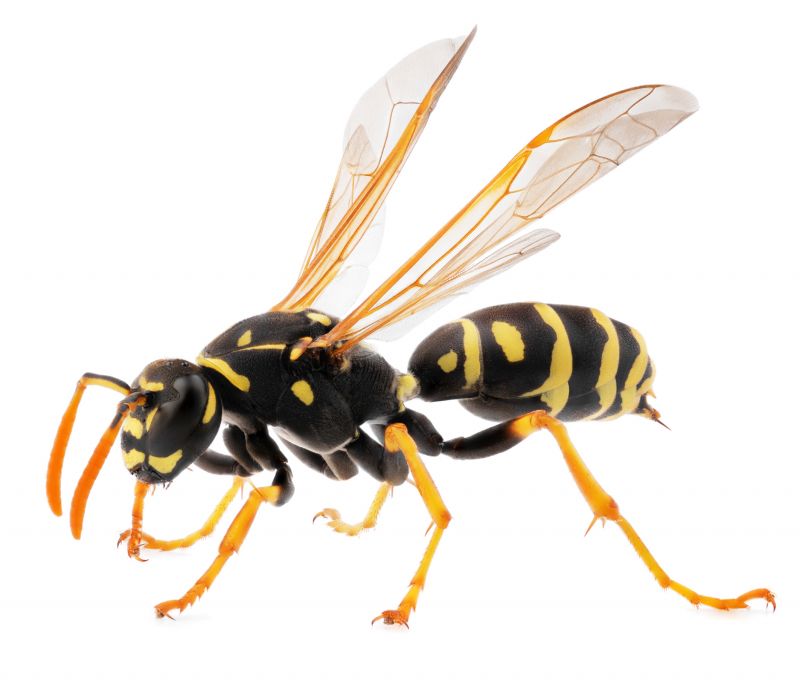
When comparing local contractors for bees vs. wasps: understanding the difference for proper pest control, it’s important to consider their experience with similar projects. Look for service providers who have handled bee and wasp removal or management in residential settings, as these situations can require different approaches. An experienced contractor will understand the behaviors and nesting habits of both insects, enabling them to develop effective strategies tailored to each pest type. This knowledge can help ensure that the removal process is safe, efficient, and respectful of the insects when appropriate, while also preventing future issues.
Clear written expectations are essential when choosing a pest control provider. A reputable local contractor should be able to outline the scope of work, including assessment procedures, removal techniques, and follow-up measures. This transparency helps homeowners understand what to expect and ensures that the service aligns with their needs. When comparing options, ask for detailed descriptions of the services offered, especially regarding how the contractor plans to differentiate between bees and wasps, and how they will handle each accordingly. Clear communication about the process can prevent misunderstandings and provide peace of mind throughout the project.
Reputable references and ongoing communication are key factors in selecting a reliable pest control service provider. Consider asking for references or reviews from previous clients who had similar bee or wasp issues, as these can offer insights into the contractor’s expertise and professionalism. Good communication throughout the process-such as timely updates, responsiveness to questions, and clarity about procedures-can make the experience smoother. When evaluating local contractors, prioritize those who demonstrate transparency and a willingness to discuss their methods, ensuring that the chosen professional is well-equipped to handle the specific challenges of bees vs. wasps: understanding the difference for proper pest control.
Property owners often search for bees vs. wasps: understanding the difference for proper pest control when they are planning practical projects around their homes and businesses. Local pros provide Bee and Wasp Pest Control services for everyday jobs and straightforward project options.
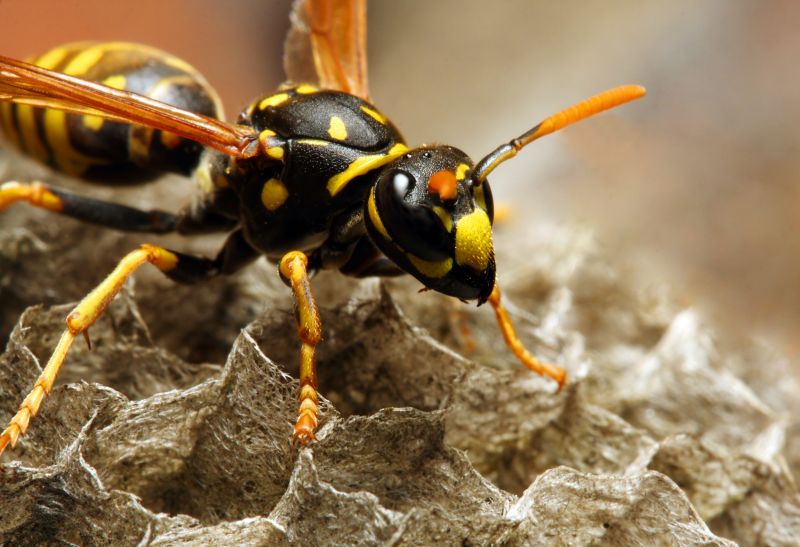
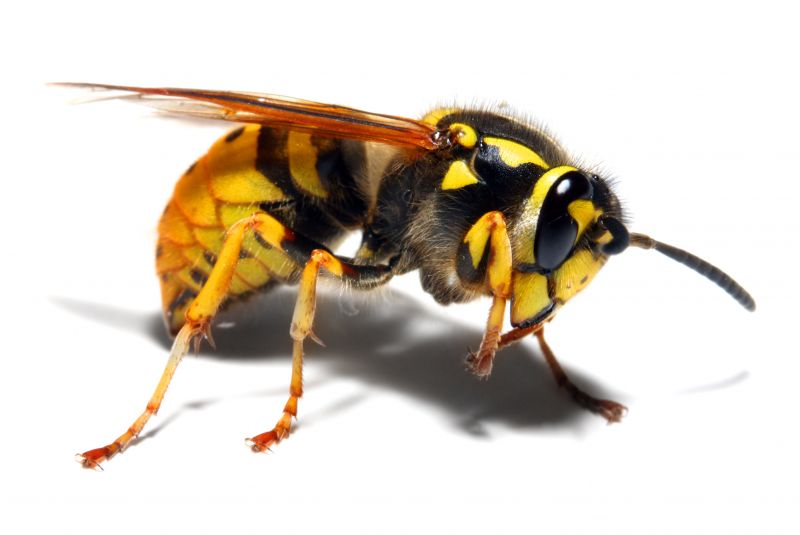
Understanding the differences between bees and wasps is important for property owners dealing with unwanted pests on their property. Bees are typically known for their gentle nature and their role in pollination, often building hives in trees, walls, or underground. Wasps, on the other hand, tend to be more aggressive, especially when defending their nests, which are often found hanging from eaves, shrubs, or in the ground. Recognizing these distinctions can help property owners determine the safest and most effective approach to pest control and avoid unnecessary risks, especially when considering removal or management of nests.
When it comes to managing bees and wasps, local service providers offer specialized pest control services tailored to each situation. Proper identification ensures that bees are protected or relocated if possible, while wasp nests are safely removed to prevent stings and other issues. Property owners who want to handle these pests effectively and safely often turn to local contractors experienced in bee and wasp pest control. These professionals can assess the situation, recommend appropriate solutions, and help ensure the safety of everyone on the property.
What is the main difference between bees and wasps? Bees are generally hairy and collect pollen, while wasps have smooth bodies and are more aggressive predators. Understanding these differences helps determine the appropriate pest control approach and which type of service provider to contact.
Why is it important to distinguish between bees and wasps for pest control? Proper identification ensures that the correct removal methods are used and that beneficial bees are protected when possible, while wasps are managed to prevent aggressive stings and nest issues.
Can local pest control service providers safely remove bee and wasp nests? Yes, experienced local contractors can safely handle the removal of nests for both bees and wasps, using techniques suited to each species to minimize risks and ensure effective pest management.
Are there different treatment methods for bees versus wasps? Yes, treatments vary depending on the species; bees may sometimes be relocated or protected, while wasps are typically controlled through nest removal or targeted insecticide applications by local pros.
How can I prevent future bee or wasp infestations? Proper sanitation, sealing entry points, and regular inspections by local pest control providers can help prevent future issues with bees and wasps around a property.
Identify pest type accurately - understanding the differences between bees and wasps helps property owners choose the appropriate pest control approach with local contractors.
Determine nesting locations - recognizing where bees or wasps may build nests allows for targeted removal or exclusion services by local pros.
Implement safe removal strategies - knowing the pest type guides property owners in coordinating with local service providers for safe and effective removal.
Prevent future infestations - understanding the behavior of bees and wasps assists in planning preventive measures with local pest control experts.
If you are thinking about bees vs. wasps: understanding the difference for proper pest control for a property, this guide is meant to help you understand this topic, the typical project types, and how different options might fit your plans.
When you are ready, you can use the quote form on this page to share a few details about your project. From there, local pros can review the basics and follow up with options that match what you have in mind.