Seasonal Bee Activity and When Pest Control Is Most Effective
Understanding seasonal bee activity and when pest control is most effective helps you connect with local contractors who can safely and effectively handle bee infestations.
Understanding seasonal bee activity and when pest control is most effective can be crucial for property owners looking to protect their homes and outdoor spaces. As temperatures fluctuate throughout the year, bee behavior changes, influencing when they are most active and when interventions might be most successful. Exploring these patterns helps property owners plan ahead, whether they’re dealing with early spring swarms or late summer colonies, and can ensure that any bee-related concerns are addressed at the right time with the help of experienced local contractors.
For those in the area managing property maintenance, knowing the seasonal cycles of bees can also support more targeted pest control efforts. Local service providers who specialize in seasonal bee control are equipped to handle these timing considerations, providing solutions that respect the natural life cycle of bees while maintaining property safety. Keep reading to discover practical insights into bee activity patterns and learn how local pros can assist in managing these seasonal challenges effectively.
- Seasonal bee activity and when pest control is most effective often peak during warmer months, prompting local contractors to offer targeted bee removal and prevention services.
- Service providers typically recommend addressing bee issues early in the season when colonies are smaller, ensuring more efficient control.
- During peak seasonal bee activity, local pros use specialized techniques to safely remove hives and prevent future infestations.
- Timing is crucial, as pest control efforts are most successful when conducted before colonies become large or establish in hard-to-reach areas.
- Many local contractors emphasize the importance of seasonal timing to effectively manage bee populations and minimize property damage.
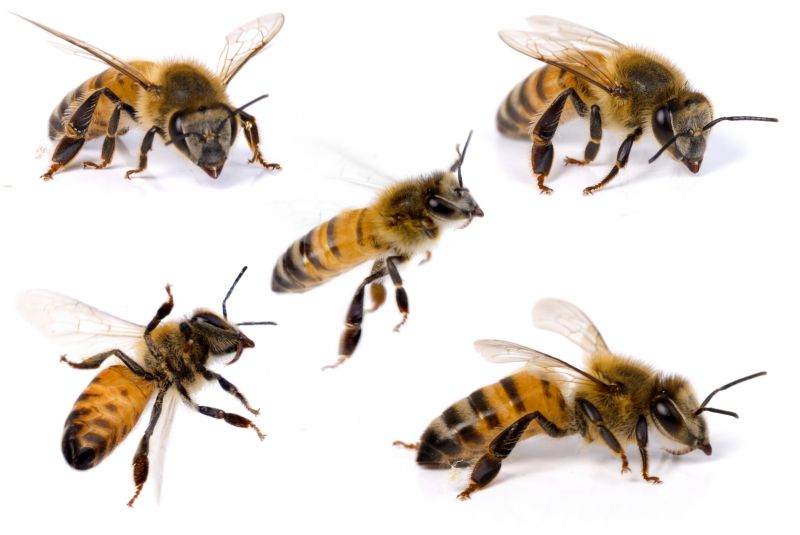
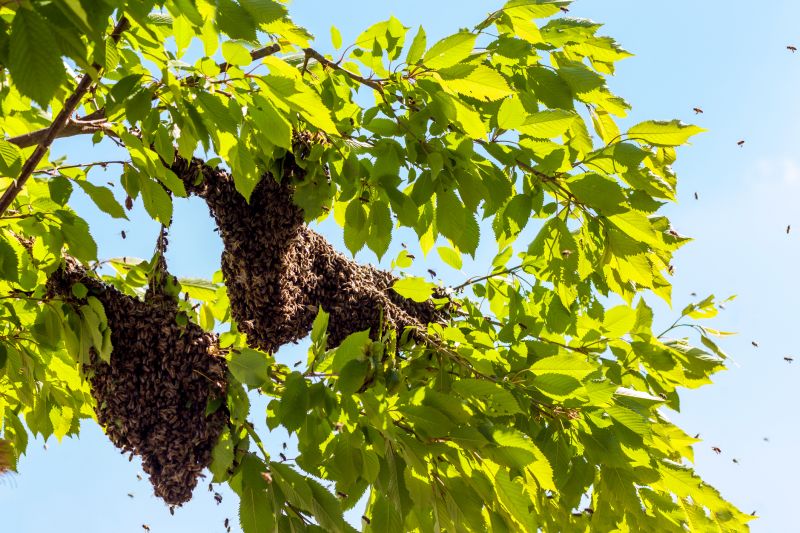
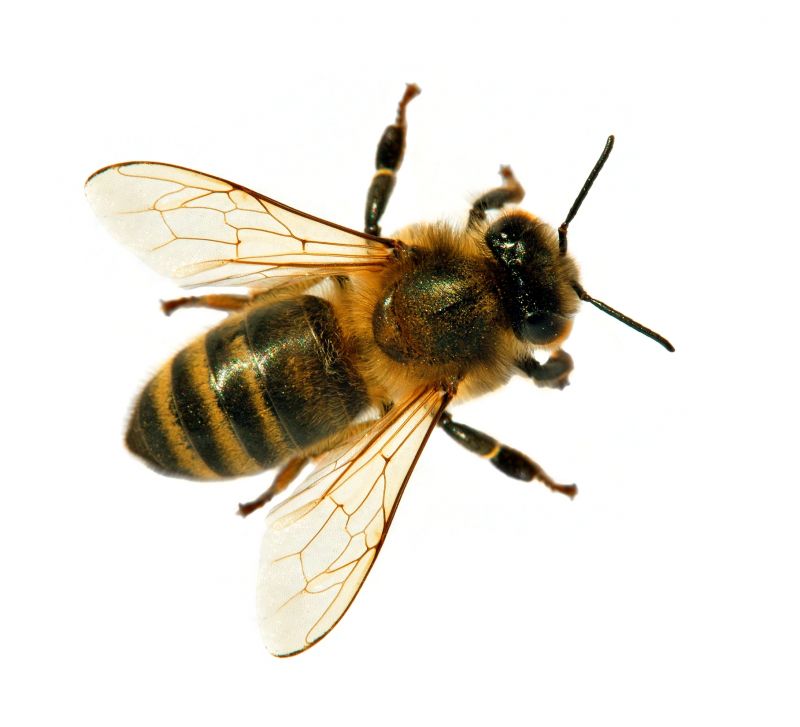
Understanding seasonal bee activity and when pest control is most effective helps homeowners plan for bee-related issues that arise throughout the year. Many people searching this topic are concerned about bee swarms, hive formations, or unexpected bee presence on their property, especially during certain times of the year. These concerns often relate to protecting family members, pets, or property from potential stings, as well as preventing damage to structures caused by hive buildup. Recognizing the patterns of bee activity can also assist in scheduling pest control services to ensure that interventions are timely and effective, reducing the risk of larger infestations developing later in the season.
This topic is closely connected to various property types, including residential homes, commercial buildings, and even agricultural properties. For homeowners, bees may establish hives in trees, wall voids, or attic spaces, creating safety and property damage concerns. Commercial properties, such as restaurants or retail spaces, may face disruptions if bee activity occurs near entrances or outdoor seating areas. Agricultural operations might need to manage bee activity to protect crops or prevent hive encroachment on farm structures. Understanding when bees are most active and when pest control is most effective helps property owners coordinate with local service providers to address these issues before they escalate.
Seasonal bee activity typically peaks during warm months, with increased hive formation and foraging behaviors in spring and summer. During these times, bees are most active, and the risk of swarms or hive expansion is higher. Conversely, bee activity tends to slow down in late fall and winter, making these periods more suitable for certain pest control methods or hive removal efforts. Local pros who specialize in seasonal bee control are familiar with these patterns and can advise on the best times to perform treatments or removals. This knowledge ensures interventions are both safe and effective, minimizing the chances of re-infestation or hive re-establishment in subsequent seasons.
For homeowners and property managers, understanding the relationship between seasonal bee activity and pest control effectiveness is key to maintaining a safe and bee-free environment. Engaging with experienced local service providers who understand local bee behaviors and seasonal patterns can help plan proactive measures. These professionals can assess property-specific risks, recommend optimal treatment times, and implement control methods suited to each season’s activity levels. By aligning pest management efforts with natural bee cycles, property owners can better protect their spaces from unwanted bee activity while supporting safe and humane hive removal when necessary.
Wildlife removal services - these projects involve safely removing and relocating animals like bees, which aligns with seasonal bee activity management and pest control timing.
Insect and pest inspection services - professionals who identify pest activity and nesting sites can assist in determining optimal times for pest control treatments related to bee activity.
Hive removal and extermination services - specialists in hive removal help manage bee populations during peak activity seasons, supporting effective pest control strategies.
Property sealing and exclusion services - these projects focus on preventing pest entry points, which is essential during times of increased bee activity and for long-term control.
Seasonal pest management planning - local contractors offering planning services can help schedule treatments that align with seasonal bee activity peaks.
Building and attic insulation services - these projects often involve addressing pest infestations, including bees, during specific times of the year for best results.
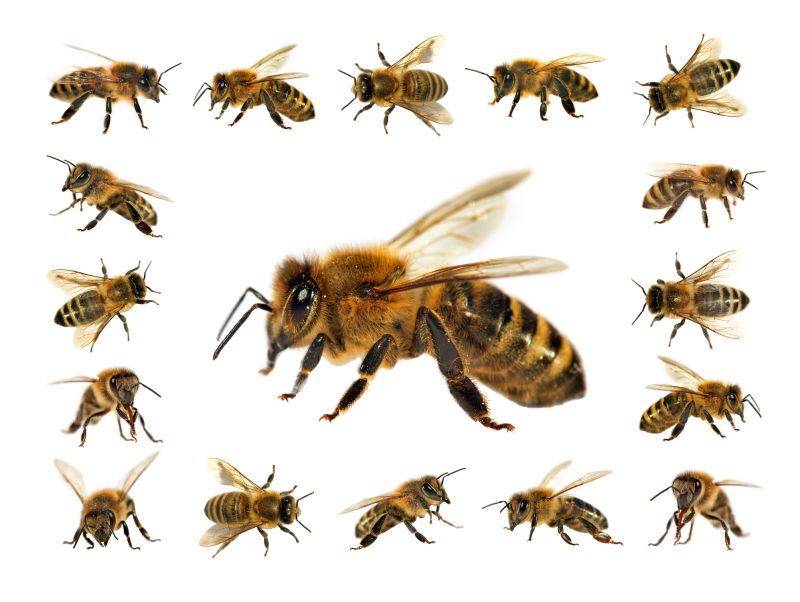
When evaluating service providers for seasonal bee activity and pest control, it is important to consider their experience with similar projects. Homeowners should seek out local contractors who have a track record of handling seasonal bee control services effectively, especially during peak activity periods. An experienced professional will understand the behaviors of different bee species and know the most appropriate times for intervention, ensuring that the work is performed safely and efficiently. Verifying their background with references or examples of past work can provide additional confidence that they are well-versed in managing seasonal bee activity and implementing pest control strategies that align with the most effective timing.
Clear written expectations are essential when comparing local service providers for seasonal bee control. Homeowners should look for contractors who provide detailed descriptions of the services offered, including what methods will be used and what outcomes can be anticipated. Transparent communication about the scope of work helps prevent misunderstandings and ensures that both parties are aligned on the objectives, such as reducing bee activity during specific seasons or preventing future infestations. Establishing these expectations early can lead to a smoother process and more satisfactory results, especially when dealing with the complexities of seasonal bee activity and timing pest control interventions for maximum effectiveness.
Reputable references and good communication are key factors to consider when choosing local contractors for seasonal bee activity management. Homeowners should seek out providers who can offer references from previous clients who had similar needs, demonstrating their ability to deliver quality results. Additionally, a service provider’s responsiveness and clarity in communication can make a significant difference in the overall experience. When a contractor is approachable and provides timely, straightforward information, it helps ensure that seasonal patterns are understood and that pest control efforts are coordinated with the best timing for the situation. This combination of credibility and open dialogue can contribute to a more successful and stress-free process when managing seasonal bee activity.
Property owners often search for seasonal bee activity and when pest control is most effective when they are planning practical projects around their homes and businesses. Local pros provide Seasonal Bee Control services for everyday jobs and straightforward project options.
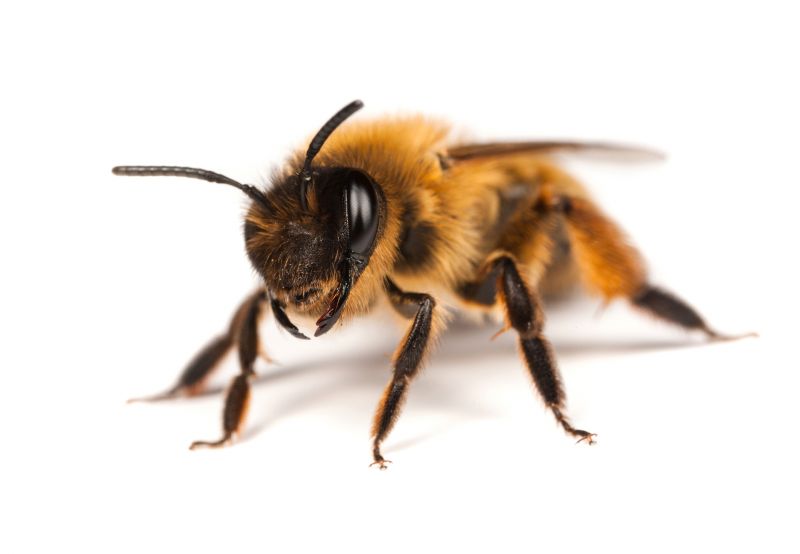
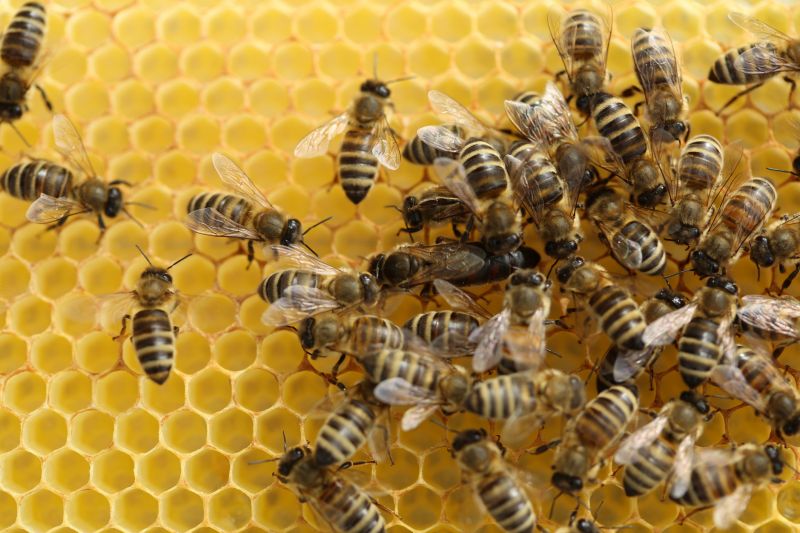
Understanding seasonal bee activity can help property owners recognize when bees are most active around their homes and outdoor spaces. During warmer months, bees tend to be more visible as they gather nectar and build hives, which can sometimes lead to unwanted encounters or concerns about nests near structures. Knowing when pest control services are most effective during these periods allows property owners to plan ahead and address bee issues before they become more difficult to manage, especially when colonies expand or relocate.
Timing is also important for effective bee control, as certain seasons may see increased bee activity that requires professional intervention. Local contractors experienced in seasonal bee control can assess the best times to remove or manage bee populations, helping prevent potential property damage or safety hazards. Property owners looking to address bee-related concerns can find local service providers who specialize in seasonal pest control, ensuring that interventions are performed at the most appropriate times for safe and effective results.
When is seasonal bee activity typically at its peak? Seasonal bee activity usually peaks during warm months when bees are most active in foraging and hive expansion, making pest control more effective during these times.
How does seasonal bee activity affect the timing of pest control treatments? Pest control is often most effective when bee activity is lower, such as in early spring or late fall, to reduce disturbance to bees and ensure better results.
Are there specific times of year when bee infestations are more common? Bee infestations tend to be more common during late spring and summer when colonies are expanding, so local contractors may recommend treatments during off-peak seasons for minimal disruption.
Why should pest control be scheduled considering seasonal bee activity? Scheduling pest control around seasonal bee activity helps ensure treatments are effective while avoiding peak periods of bee activity that could interfere with the process.
Can local service providers handle bee control during active seasons? Yes, local contractors experienced in seasonal bee control can perform treatments effectively during active periods while also taking steps to protect bee colonies when necessary.
Timing pest control efforts - property owners can plan pest control services during peak seasonal bee activity to effectively reduce hive populations.
Monitoring bee activity patterns - observing changes in bee behavior throughout the year helps determine the best times for safe and effective pest control.
Scheduling treatments for optimal results - coordinating with local contractors during specific seasons ensures pest control methods target bees when they are most vulnerable.
Implementing preventative measures - property owners can work with service providers to identify and seal potential bee entry points before seasonal activity increases.
If you are thinking about seasonal bee activity and when pest control is most effective for a property, this guide is meant to help you understand this topic, the typical project types, and how different options might fit your plans.
When you are ready, you can use the quote form on this page to share a few details about your project. From there, local pros can review the basics and follow up with options that match what you have in mind.